Designing an allotment is one of the most rewarding parts of growing your own food, and how you arrange your plot can have a real impact on how enjoyable and productive your growing season turns out to be. Whether you’re new to gardening or looking to optimise your current space, some thoughtful planning can go a long way.
Exploring allotment layout ideas early on may help you maximise productivity, improve accessibility, and create a visually appealing growing area that works year-round. From compact urban plots to expansive rural spaces, the right layout could transform how you garden.
Why Allotment Layout Matters
A well-structured allotment isn’t just about aesthetics — it can directly impact yield, maintenance, and ease of use. Many gardeners find it helpful to consider sunlight exposure, soil quality, water access, and crop rotation zones when planning. Without some kind of plan, you may find yourself wasting valuable space or struggling to manage weeds and pests effectively. Thinking strategically about your layout could allow you to group plants with similar needs, improve airflow, and make the most of every inch of your plot.
For example, some gardeners prefer to place taller crops like sweetcorn or runner beans on the north side to avoid them shading smaller plants. Similarly, grouping herbs together near pathways is one option that can make harvesting quicker and more convenient — though every plot and every gardener is different.
Small Allotment Layout Ideas That Maximise Space
Small plots often benefit from smart planning to ensure nothing goes to waste. With limited room, decisions around bed size and plant selection can really add up.
Raised beds are a popular choice for compact allotments. They can provide clear structure, improve drainage, and make it easier to manage soil quality. Some gardeners opt for narrow beds — around 1 metre wide — so they can reach the centre without stepping on the soil, though your ideal width may vary. Vertical gardening is another approach worth considering. Climbing plants such as beans, peas, and cucumbers can be trained up trellises or frames, potentially freeing up ground space for root vegetables or leafy greens.
Intercropping is something many small-plot growers find useful. This involves growing fast-maturing crops like radishes or lettuce alongside slower-growing plants such as cabbage or broccoli, so that by the time the larger plants need more space, the smaller crops have already been harvested. When it comes to paths, a balance between access and planting area works well for many people — though you’ll quickly find what suits your own style. Containers for herbs or strawberries are another possibility, and some gardeners like to place these along edges or near entrances.
Medium Allotment Layout Ideas for Balanced Growing
Medium-sized plots tend to offer more flexibility, with room for a balance between productivity and organisation. At this scale, zoning is one approach that many growers find effective.
Dividing your allotment into distinct sections based on crop type is one popular option — for example, dedicating one area to root vegetables, another to leafy greens, and another to fruiting plants like tomatoes and courgettes. This can make crop rotation more straightforward year after year, which may help maintain soil health and reduce pests. A composting area is also something many medium-plot holders choose to incorporate, often tucking it into a corner that’s accessible but out of the way.
Paths can be a little wider than in small plots if wheelbarrow access is useful to you. A central path running through the allotment, with beds branching off either side, is a layout that works well for many — though there’s no single right answer. Another option worth considering for medium plots is a small seating area or workspace. A simple bench or potting area can be a lovely addition, giving you somewhere to rest, plan, or prepare seedlings.
Large Allotment Layout Ideas for Maximum Productivity
Large allotments open up a wide range of possibilities, from extensive crop rotation systems to dedicated areas for flowers, fruit, and wildlife. Dividing the space into multiple zones is one approach that works well for some growers — this might include a vegetable production area, a fruit section, a greenhouse zone, and perhaps a wildflower patch to attract pollinators. This kind of layout can support biodiversity and may contribute to healthier crop growth, though how you divide your space is entirely up to you.
Polytunnels or greenhouses become more practical at this scale, and could allow you to extend the growing season and try more delicate crops. Many growers find a sunny, sheltered spot works well for these structures, though your plot’s specific conditions will guide what makes sense. Wide paths are something larger plot holders often find worthwhile, and materials like wood chips or gravel are popular choices for keeping pathways stable and relatively low-maintenance.
Irrigation is another option to explore on a larger plot. Drip irrigation or soaker hoses are tools some gardeners swear by for saving time and maintaining consistent watering — particularly during dry spells. Thinking about water access points during the planning stage is something many experienced allotmenteers recommend.
Practical Design Tips for Any Plot Size
Whatever the size of your allotment, a few broad principles tend to come up again and again — though of course, ask six different allotmenteers and you’ll likely get six different answers!
Sunlight is something most crops appreciate, with many doing best with at least six hours of direct light daily. Observing how light moves across your plot before settling on a layout is something a lot of growers find invaluable. Crop rotation is another topic many gardeners build into their thinking from the start, as rotating plant families each season may help prevent soil depletion and reduce disease risk. Keeping a simple map or labelling your beds is one way to make this easier to manage.
Companion planting is a technique some gardeners enjoy experimenting with — planting marigolds near tomatoes, for instance, or growing carrots and onions in proximity. Results and experiences vary, but it’s something many people find worth trying.
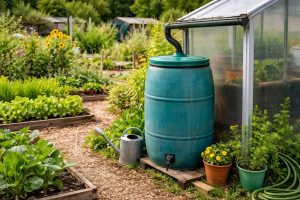
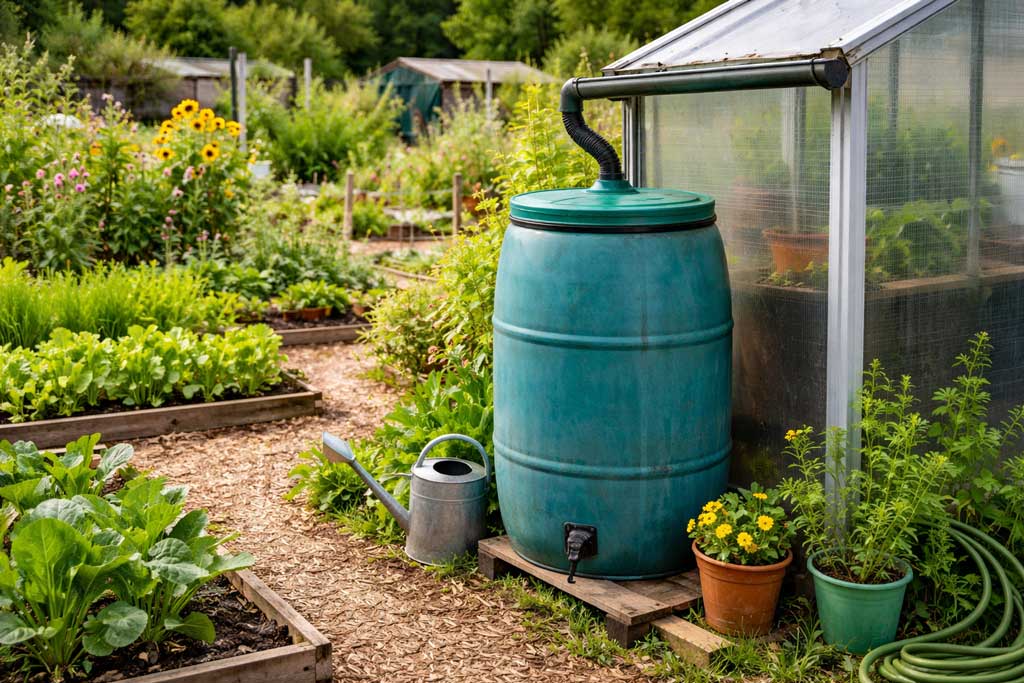
Water access is worth factoring in wherever possible, and storage — even a small shed or box — is something many allotment holders find makes day-to-day life considerably easier.
Creating a Layout That Evolves Over Time
An allotment is rarely truly finished, and that’s part of the joy of it. As you gain experience, your needs and preferences will naturally evolve. The most adaptable allotment layout ideas tend to leave room for change — you might start simply and gradually introduce new elements as you go, whether that’s raised beds, fruit cages, or extra compost bins.
Paying attention to what works well in your particular plot — and what doesn’t — is often the best guide of all. If certain crops consistently underperform in one area, it could be worth exploring whether shade, soil, or drainage might be a factor. Every plot is different, and finding what works for yours is all part of the experience.
Featured image credit: AI generated.